Beyond gold: Hidden stories from the Beggs Family Collection
Life beyond the diggings
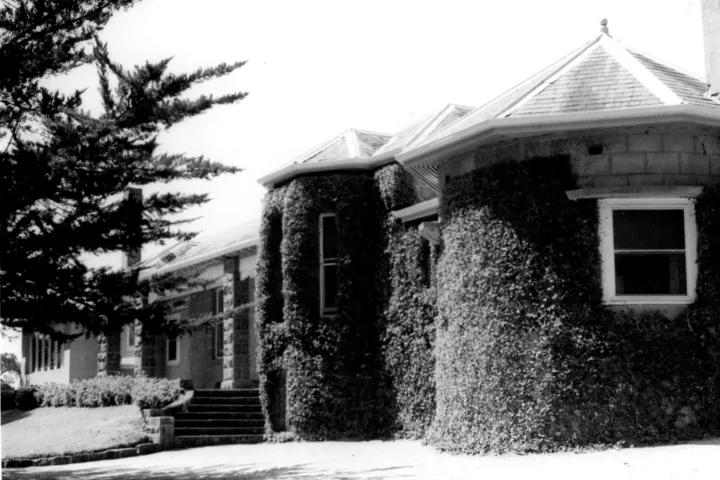
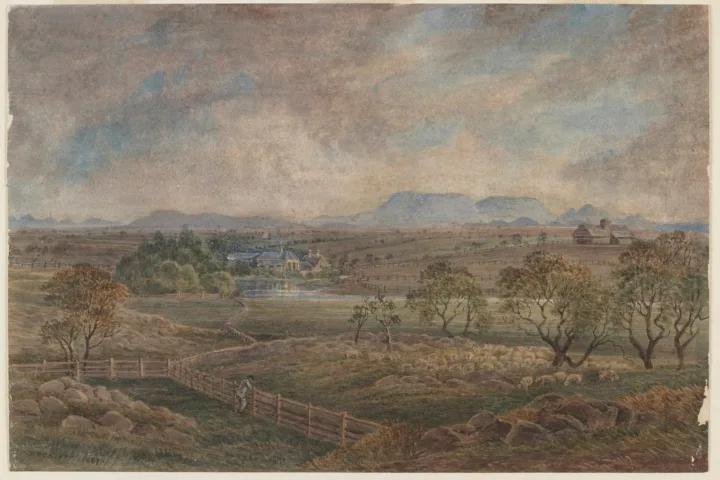
Many documents within the collection relate to Eurambeen, a pastoral property near Beaufort in western Victoria connected to the Beggs family. Letters discuss livestock breeding, ram sales, and negotiations with buyers and agents. Through this correspondence, I began to understand how pastoral industries operated alongside the goldfields economy.
Gold may have drawn people to Victoria, but industries such as sheep farming and agriculture helped sustain communities long after the initial rush. Reading through these records revealed the interconnected networks of business and trade that supported everyday life across the region.
The ledgers and receipts within the collection provided another perspective. Initially, they seemed straightforward administrative documents. Yet over time, patterns emerged: purchases of equipment, payments to suppliers, and records of household goods traced the rhythms of a working pastoral enterprise. Together, these records captured aspects of daily life that are rarely highlighted in broader histories.
Unexpected discoveries in the archive
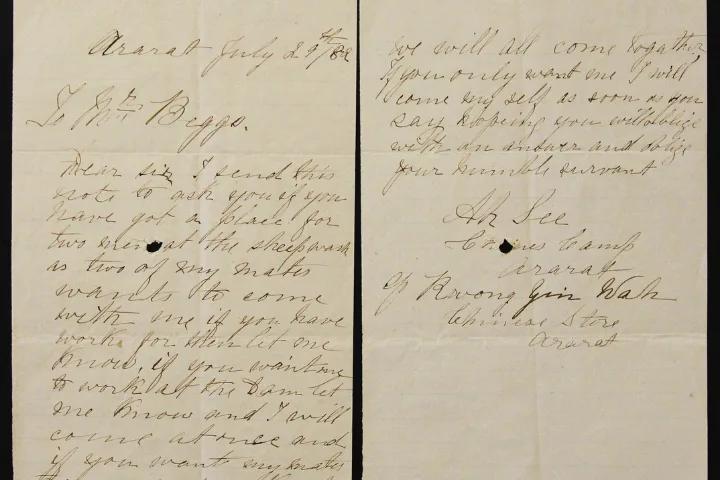
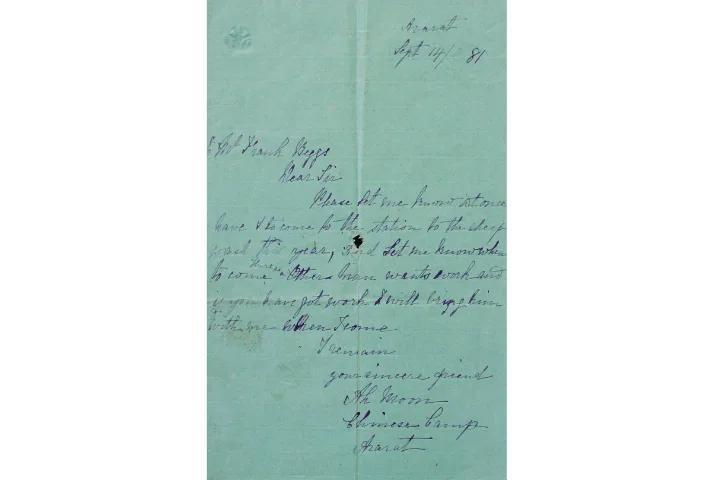
Among the many documents I encountered, a small group of letters immediately stood out. Written in careful and formal English, several were composed by Chinese workers seeking employment on the Beggs family farm. Some may have been written with assistance from interpreters or scribes.
These letters offered a rare glimpse into the experiences of Chinese migrants in regional Victoria. During the gold rush, thousands of Chinese migrants travelled to Australia seeking opportunity. While many initially worked on the diggings, others moved between mining and agricultural labour as circumstances changed.
What struck me most was the determination evident in these brief requests for work. Each letter represented an individual reaching out in search of opportunity within an unfamiliar environment. Though small in scale, these documents preserve traces of lives that are often difficult to find within historical archives.
Discoveries such as these changed how I viewed archival work. Cataloguing became more than recording information into a database; it became an opportunity to encounter people from the past through the records they left behind.
Reading history through maps
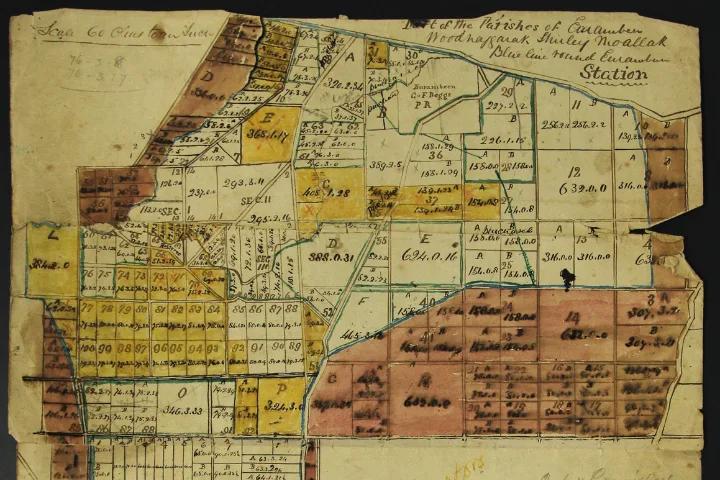
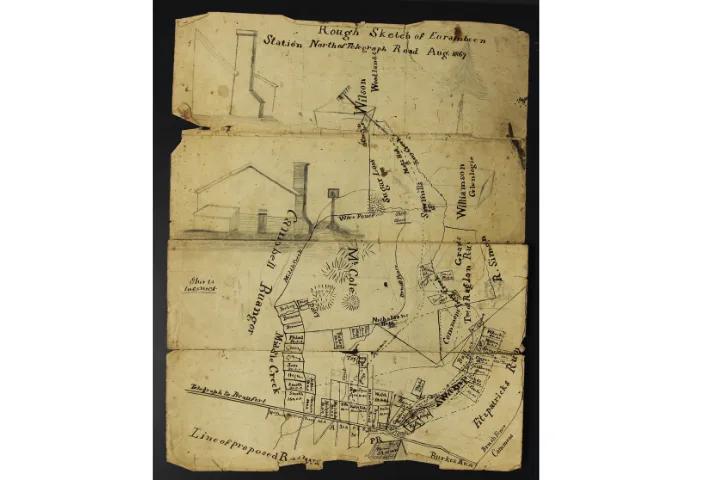
Historical maps within the collection added another layer to my understanding of the documents. They provided visual reference points for places mentioned in correspondence and helped situate properties and settlements within the wider goldfields landscape.
Viewed alongside letters and ledgers, these maps revealed connections between people, industries, and communities. They showed how archives can help reconstruct not only individual stories, but also the broader networks that shaped regional Victoria.
What archives reveal and what they do not
Working with the Beggs papers also prompted me to think about whose stories survive in historical collections. Like many archives, the collection largely reflects the perspectives of those who created and preserved the records. While the activities of a pastoral family and their business interests appear in considerable detail, other voices including workers, women, and Indigenous communities are less visible.
Recognising these absences is an important part of working with collections. Archives preserve valuable evidence of the past, but they also highlight whose experiences were recorded and whose remain difficult to recover.
These gaps do not diminish the significance of the Beggs Collection. Instead, they encourage ongoing research and interpretation, reminding us that history is rarely complete.
Museums, memory, and community
One aspect of my placement that I found particularly meaningful was seeing the relationship between museum collections and the communities connected to them. The Beggs archive was generously donated by family descendants who continue to take an active interest in preserving this history.
During my placement, there was an opportunity to engage with a descendant who has undertaken extensive family research and shared photographs not currently represented within the collection. Experiences such as this demonstrated how museums can connect archival records with personal memory, enriching collections through lived experience and community knowledge.
Preserving stories for the future
My time working with the Beggs Family Collection gave me a deeper appreciation for the role museums play in preserving and interpreting history. Documents that might initially seem ordinary such as a receipt, a livestock ledger, or a brief request for employment, can become valuable historical evidence when viewed within a larger context.
Visitors often come to Sovereign Hill to experience the excitement of the gold rush. For me, working with the Beggs Collection revealed another side of that story. Within these letters, ledgers, and maps are traces of the people and communities who shaped life across the goldfields through agriculture, labour, trade, and everyday resilience.
Their stories may be quieter than the search for gold, but they remain an essential part of understanding Victoria’s history.
You might also be interested in